


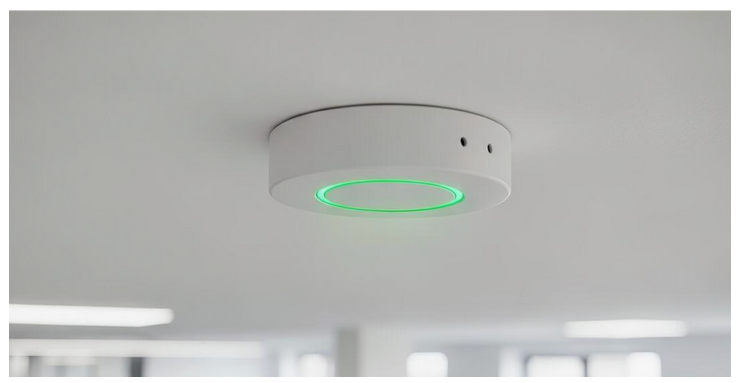
In recent years, vaping among students has become a growing concern for schools worldwide. Unlike traditional smoking, vaping is often harder to detect and can take place discreetly in bathrooms, hallways, or other low-supervision areas. To address this challenge, many educational institutions are now adopting school vape sensor and alarm systems for student safety.
These systems are designed to detect vaping activity in real time, alert school staff instantly, and help maintain a healthier, safer learning environment. By combining advanced sensors, smart analytics, and instant notifications, vape detection systems are becoming an important part of modern school safety infrastructure.
What Are School Vape Sensor and Alarm Systems?
School vape sensor and alarm systems are intelligent monitoring devices that detect the presence of vaping aerosols in indoor environments. They are specifically designed for school settings where student safety, privacy, and discipline are top priorities.
These systems can detect:
- Nicotine vapor
- THC or cannabis aerosols
- Fine particulate matter (PM1.0–PM2.5)
- Volatile organic compounds (VOCs)
- Sudden changes in air quality
When vaping activity is detected, the system triggers an alarm or sends a real-time alert to school administrators.
Unlike traditional smoke detectors, these systems are not designed for fire detection but for behavioral monitoring and policy enforcement.
Why Schools Need Vape Sensor and Alarm Systems
- Rising Student Vaping Rates
Vaping has become increasingly common among teenagers, often occurring in hidden areas such as:
- Bathrooms
- Locker rooms
- Stairwells
- Empty classrooms
Because vaping produces minimal odor and visible smoke, it is difficult for staff to detect without technology.
- Health and Safety Concerns
Vaping exposes students to nicotine and other harmful chemicals. Long-term use can lead to addiction and respiratory issues. Schools aim to reduce exposure and discourage vaping behaviors early.
- Maintaining Discipline and Policy Enforcement
Schools have strict no-vaping policies, but enforcement is challenging without real-time detection tools. Vape sensor systems help ensure rules are followed consistently.
- Creating a Safe Learning Environment
A safe and healthy environment improves student focus, attendance, and overall academic performance.
How Vape Sensor and Alarm Systems Work
Modern vape detection systems use advanced technology to monitor air quality continuously. Low error vape detector solutions from Camelott offer highly accurate and dependable detection performance.
- Air Quality Monitoring
Sensors measure real-time changes in:
- Particulate matter (PM levels)
- Chemical compounds in the air
- Temperature and humidity
- Vape Signature Detection
When vaping occurs, it creates a specific pattern of aerosol particles. The system recognizes:
- Sudden spikes in PM2.5 levels
- Presence of nicotine or THC-related compounds
- Rapid environmental changes
- Real-Time Alerts
Once vaping is detected, alerts are sent instantly to:
- School administrators
- Teachers or staff members
- Security personnel
- Mobile applications or dashboards
- Incident Logging
Many systems record detection events, including:
- Time of incident
- Location of detection
- Duration of event
This helps schools identify patterns and take preventive action.
Key Features of School Vape Sensor Systems
- High-Sensitivity Detection
Advanced sensors can detect even small traces of vapor, ensuring early identification of incidents.
- AI-Powered Analysis
Modern systems use artificial intelligence to reduce false alarms by distinguishing vaping from:
- Cleaning sprays
- Perfumes
- Steam from bathrooms
- Environmental dust
AI learns from environmental patterns to improve accuracy over time.
- Real-Time Notifications
Instant alerts ensure staff can respond quickly and investigate incidents before they escalate.
- Privacy-Friendly Design
Most school vape sensors are designed without cameras or microphones. They focus only on air quality data, ensuring student privacy is protected.
- Cloud-Based Monitoring
School administrators can monitor multiple locations from a central dashboard, making it easier to manage large campuses.
Benefits of Vape Sensor and Alarm Systems in Schools
- Faster Detection and Response
Immediate alerts allow staff to respond quickly to vaping incidents.
- Improved Student Health
By reducing vaping incidents, schools help protect students from harmful substances.
- Stronger Policy Enforcement
Consistent monitoring ensures school rules are followed more effectively.
- Reduced Vaping Behavior
The presence of detection systems acts as a deterrent for students considering vaping.
- Better Use of Staff Resources
Instead of constant physical monitoring, staff can rely on technology for detection and focus on education.
Where Vape Sensors Are Installed in Schools
Strategic placement is essential for effective monitoring. Common installation areas include:
- Restrooms
- Locker rooms
- Hallways
- Stairwells
- Study areas
- Changing rooms
These locations are chosen because they are often unsupervised and more prone to vaping activity.
Challenges in School Vape Detection
- False Positives
Some systems may occasionally trigger alerts due to:
- Strong cleaning chemicals
- Air fresheners
- Humidity changes
However, AI-based systems help significantly reduce these errors.
- Proper Placement Requirements
Incorrect installation can reduce accuracy, making professional setup important.
- Student Privacy Concerns
Schools must ensure systems do not use intrusive monitoring like cameras or audio recording.
- Maintenance and Calibration
Regular maintenance is needed to ensure sensors remain accurate over time.
Role of AI in Improving Accuracy
Artificial intelligence plays a key role in making vape detection systems more reliable. AI helps by:
- Learning normal air quality patterns in each location
- Identifying vaping-specific aerosol signatures
- Reducing false alarms over time
- Improving detection accuracy through continuous updates
This makes modern systems significantly more effective than older sensor-based models.
Future of School Vape Sensor Technology
The future of vape detection in schools is becoming more advanced with innovations such as:
- AI-driven predictive behavior detection
- Smart campus integration systems
- Real-time behavioral analytics
- Multi-sensor fusion technology
- Cloud-connected safety dashboards
These advancements will allow schools to proactively manage student behavior and improve campus safety.
Final Thoughts
School vape sensor and alarm systems for student safety are becoming essential tools for modern educational institutions. With the rise of vaping among students, schools need reliable technology to detect incidents quickly, enforce rules, and maintain a safe learning environment.
By combining advanced air quality sensors, AI-powered analysis, and real-time alerts, these systems help schools respond faster and more effectively. They not only improve discipline but also support student health and overall campus safety.
As technology continues to evolve, vape detection systems will become even more accurate, intelligent, and widely adopted—playing a key role in creating safer schools for future generations.
